Real Estate Investing | Miami, FL
If you have been buying and selling real estate in Florida, chances are you have heard the term "1031 exchange" thrown around at some point. But surprisingly, a lot of investors either brush past it or assume it is too complicated to be worth exploring. The truth is, it may be one of the most powerful wealth-building tools available to real estate investors today, and if you are not using it, you could be leaving a significant amount of money on the table.
Let me break it down in plain terms.
What Is a 1031 Exchange?
A 1031 exchange, named after Section 1031 of the IRS tax code, allows a real estate investor to sell an investment property and defer paying capital gains taxes on the profit, as long as the proceeds are reinvested into a new property of equal or greater value. In other words, instead of writing a check to the IRS when you sell, that money stays in your hands and goes directly toward your next investment.
It is not a loophole. It is a legal, IRS-recognized strategy that has been used by savvy investors for decades. Think of it as a way to keep your equity working for you rather than shrinking the moment you close on a sale.
How Does It Work?
The process follows a specific set of rules and timelines, which is why working with the right professionals matters. Here is a simplified overview of how it works:
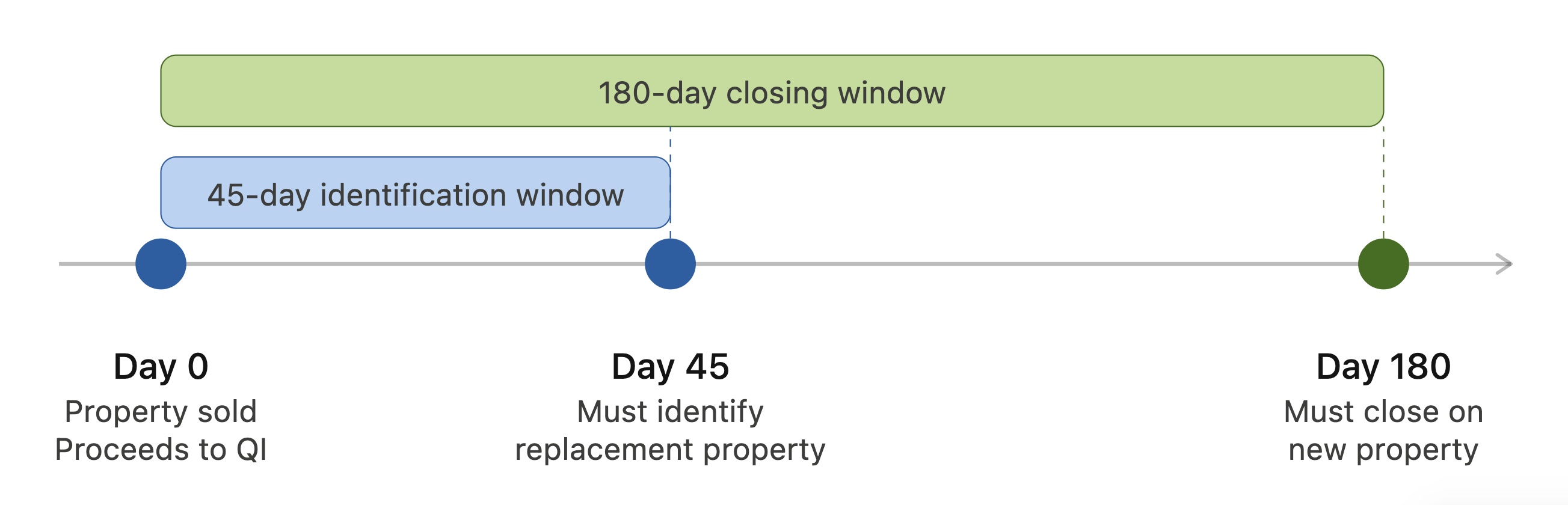
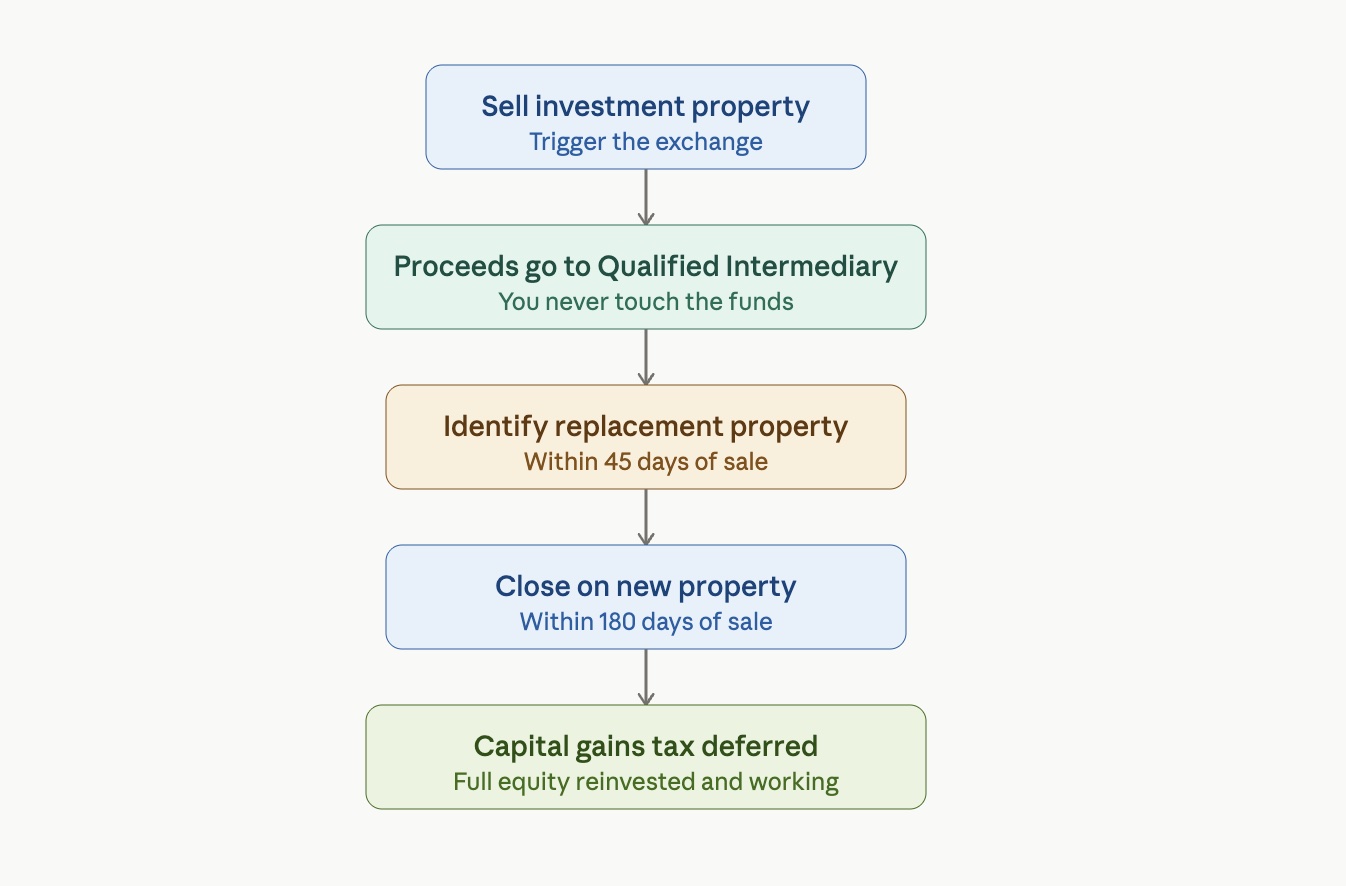
You sell your investment property and the proceeds go into the hands of a qualified intermediary, not directly to you. From the date of your sale, you have 45 days to identify a replacement property. You then have 180 days total from the sale date to close on that new property. The replacement property must be of equal or greater value than the one you sold.
As long as you follow the timeline and reinvest appropriately, the capital gains tax is deferred. This does not mean the tax disappears entirely, but it gives you the ability to keep compounding your investment without an immediate tax hit.
The Benefits for Florida Investors
Florida is one of the most attractive states in the country to execute a 1031 exchange, and here is why.
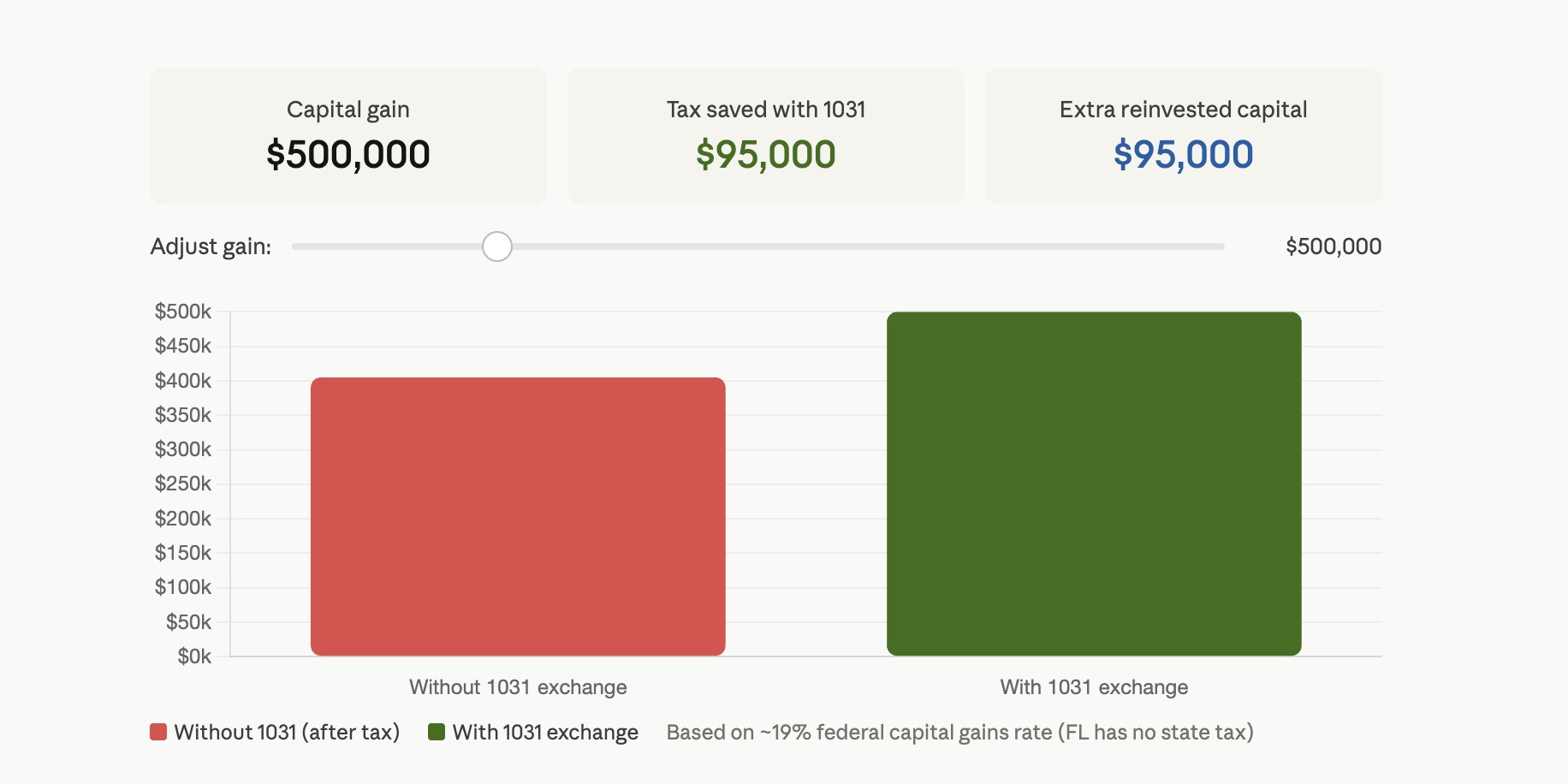
Florida has no state income tax. That alone is a major advantage compared to investors in states like New York or California who face both federal and state capital gains taxes. When you combine the absence of state income tax with a federal tax deferral through a 1031 exchange, the financial upside is substantial.
Beyond the tax advantage, Florida's real estate market continues to attract domestic and international buyers, keeping demand strong and values on an upward trajectory in many markets. That means your reinvested equity has real growth potential, especially in high-demand areas like Miami, Fort Lauderdale, and Palm Beach.
Here are some of the key benefits worth knowing:
You preserve more capital to reinvest. Paying capital gains tax on a significant profit can eat into tens of thousands of dollars that could otherwise be working toward your next deal. A 1031 exchange keeps that capital intact.
You increase your buying power. When you defer the tax and roll your full equity into a new purchase, you can afford to move up in value, buy in a better location, or acquire a larger asset than you could if you had taken the tax hit first.
You can diversify your portfolio. A 1031 exchange does not require you to buy the same type of property. You can sell a single-family rental and move into a commercial property, a multi-family building, or even vacant land, as long as it qualifies as an investment property.
You build generational wealth. One of the most compelling aspects of a 1031 exchange is what happens over time. If a property is passed down to heirs, the deferred taxes may be eliminated entirely through a step-up in basis. It is one of the most effective long-term wealth transfer strategies available.
The Smartest Move for Investors
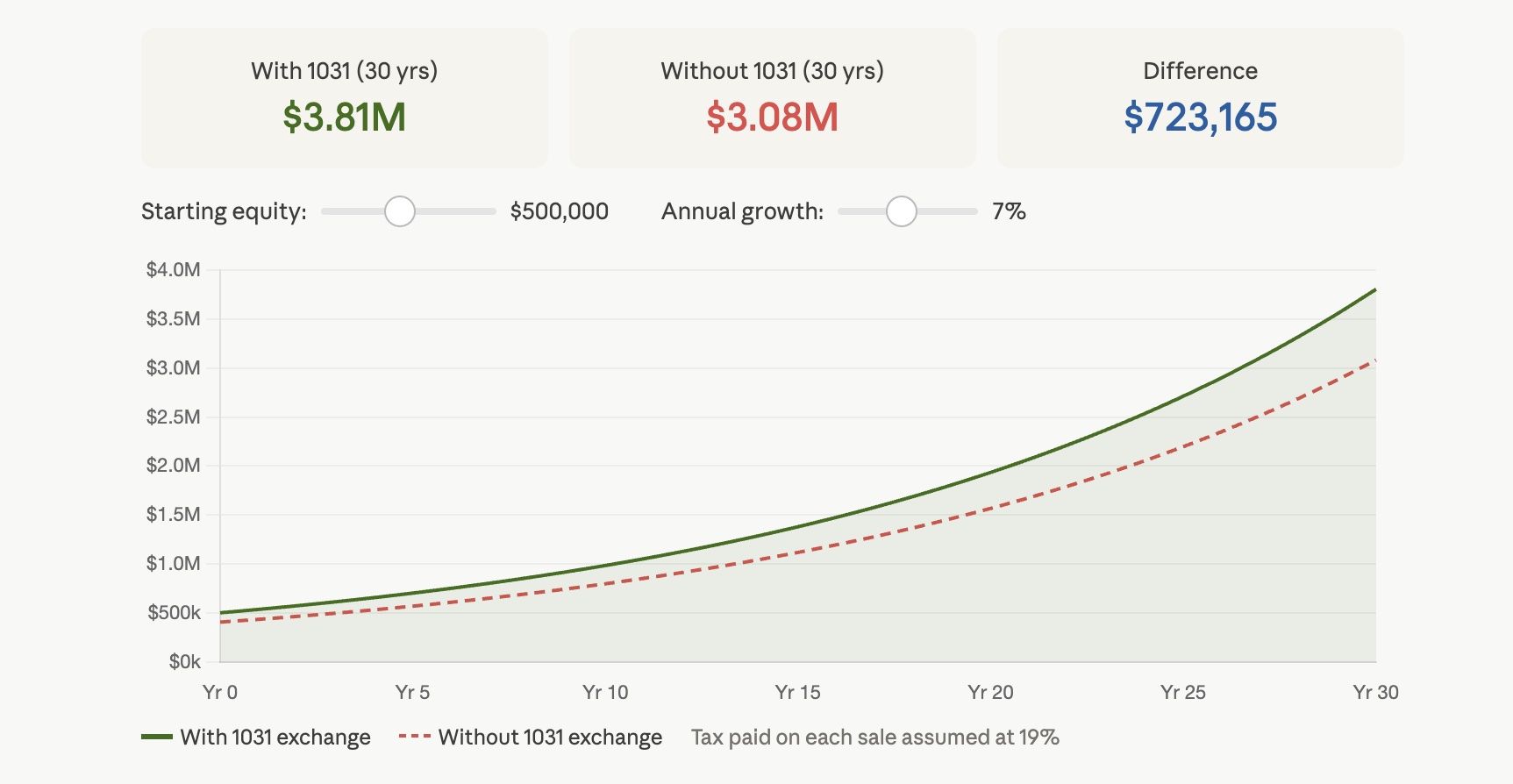
Here is the honest truth: the investors who build serious wealth in real estate are not the ones who buy and sell and pay taxes at every turn. They are the ones who understand how to keep their equity moving, growing, and compounding over time. A 1031 exchange is a core part of that strategy.
Whether you are sitting on a rental property that has appreciated significantly, considering an upgrade to a larger asset, or simply looking to reposition your portfolio in a smarter way, a 1031 exchange deserves a serious conversation with your real estate advisor and your CPA.
Florida's tax-friendly environment combined with a thriving real estate market makes this one of the best places in the country to execute this strategy and make it count.
Ready to Explore Your Options?
If you are thinking about selling an investment property in South Florida or want to understand whether a 1031 exchange makes sense for your situation, I am here to help you think it through. I work alongside trusted tax professionals and can connect you with the right people to make sure you are making the most informed decision possible.
South Florida's real estate market moves fast and timing is everything. Whether you are eyeing new construction, a resale, or an investment across Miami-Dade, Broward, or Palm Beach counties. I can help you move with confidence.
If you're ready to start your search, I'd love to hear what you have in mind. Every buyer I work with gets my full attention from the very first conversation, and that first call is where we figure out exactly what you're looking for, what matters most, and how to make it happen.
Book your free 15-minute call below and let's get started.
https://calendly.com/miami-realestate/homesearch
Let's talk. Reach out at 786-838-6386 or visit www.soldwithsofia.net to get started.

Primary: 1031 exchange Florida, 1031 exchange Miami, real estate investing Florida, defer capital gains tax real estate
Secondary: Florida investment property, Miami real estate investor, capital gains tax deferral, 1031 exchange rules, how does a 1031 exchange work, Florida no state income tax real estate, sell investment property Florida, Miami luxury real estate investing
Long-tail: how to do a 1031 exchange in Florida, best real estate investments Miami 2025, how to avoid capital gains tax on investment property Florida, 1031 exchange benefits for investors.
The financial side of this is just as important as finding the right property. I have a trusted CPA I refer my clients to who can help you understand exactly where you stand before you make any decisions.
This blog post is intended for informational purposes only and does not constitute tax, legal, or financial advice. Every investor's situation is unique. Please consult a qualified CPA, tax attorney, or financial advisor before making any decisions related to a 1031 exchange or any other tax strategy.