Here is what you need to understand before you list.
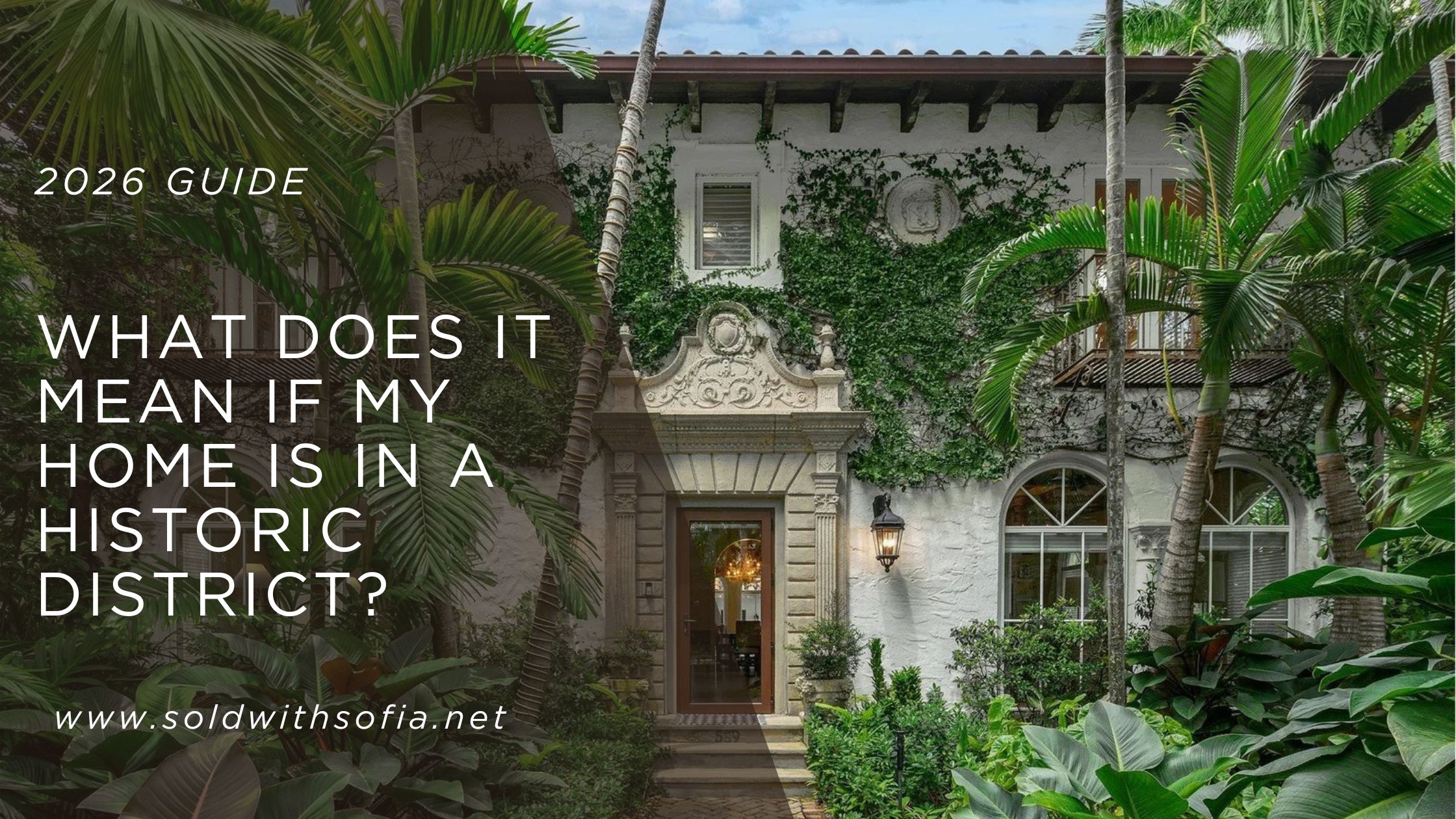
If your home is in Morningside or Coral Gables, there is a good chance it falls within a historic district. And if you are thinking about selling, that designation is not just a fun fact about your neighborhood. It is a selling point, a marketing angle, and something the right buyer will absolutely want to know about before they make an offer.
Your Buyer Is Probably an Investor or Developer
Most sellers in historic districts assume their home will appeal to a family looking for character and charm. And sometimes it does. But in Miami's market, especially in neighborhoods like Morningside and Coral Gables, the buyers who move fastest and come in strongest on historic district properties tend to be investors and developers who understand exactly what they are acquiring.
These are buyers who know how to work with preservation boards, who understand the renovation process, and who are actively looking for properties in stable, high demand neighborhoods where values hold over time. Your home being in a historic district is not a liability to them. It is a feature.
Contributing vs. Non-Contributing: What Category Is Your Home In?
This is one of the first things a serious buyer will want to know, and it should be one of the first things you know as a seller.
If Your Home Is a Contributing Property
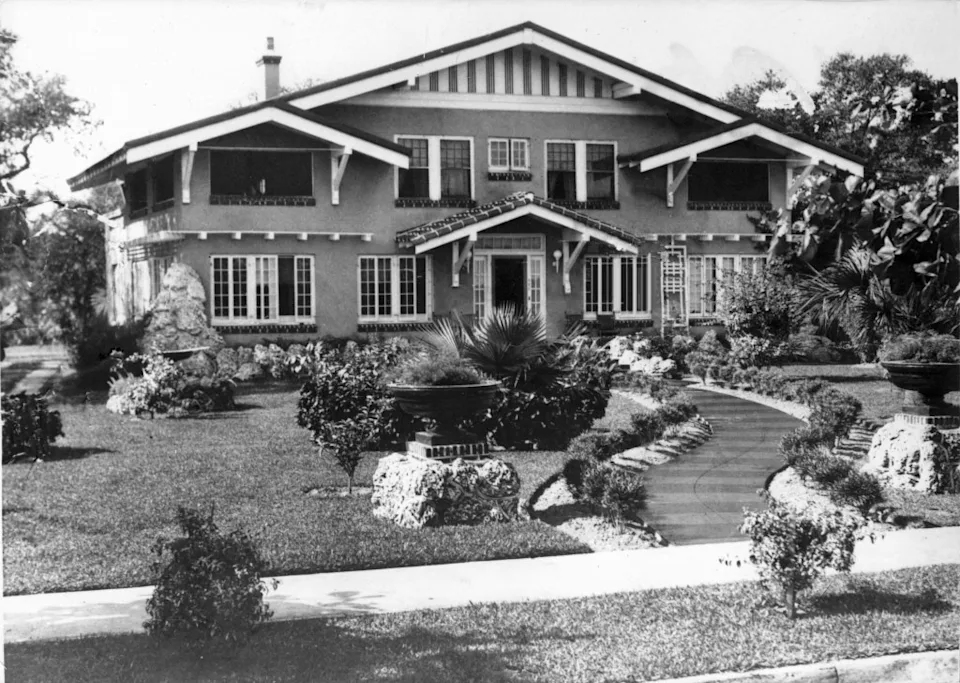
A contributing property is one that was built during the period of historical significance and still retains its original architectural character. These homes are considered integral to what makes the district worth preserving. For a buyer, that means any significant exterior renovation or addition will require approval from the local historic preservation board.
That process involves specific design standards, materials requirements, and timeline considerations. For the right investor or developer, that is not a dealbreaker. It is simply part of the work. But it does affect how they underwrite the deal and what they plan to do with the property, and your pricing and marketing should reflect that reality.
If Your Home Is a Non-Contributing Property
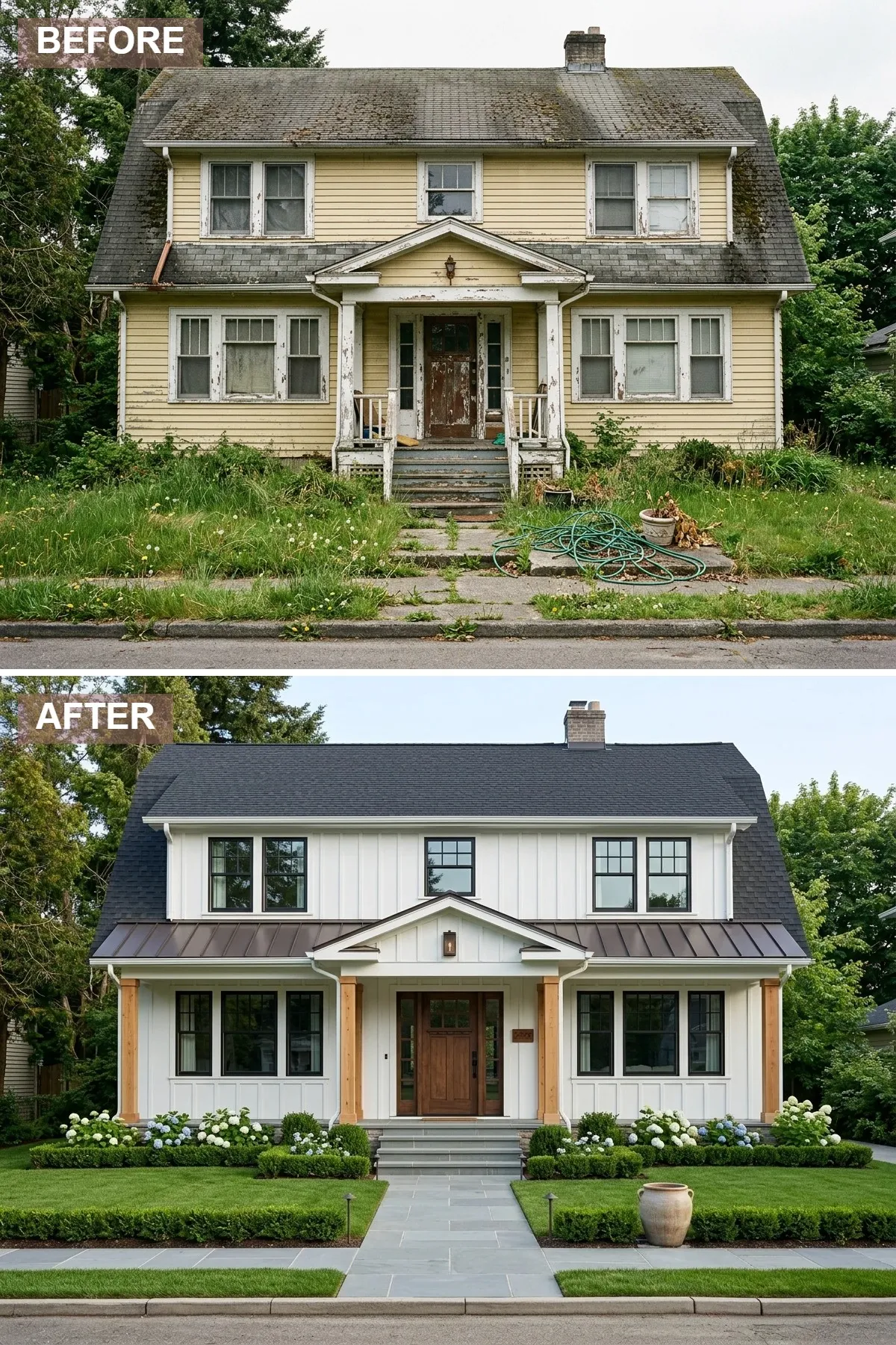
A non-contributing property sits within the boundaries of the historic district but was either built after the period of significance or has already been altered enough that it no longer reflects the original character. These homes typically come with more flexibility when it comes to renovations, which can make them attractive to buyers who want to move quickly on a project without as much preservation board oversight.
Knowing which category your home falls into before you list means you can answer that question confidently when buyers ask, and they will ask.
The Ad Valorem Tax Exemption Is a Selling Point
This is one of the most underused tools in a seller's pitch for a historic district property, and most sellers never even mention it.
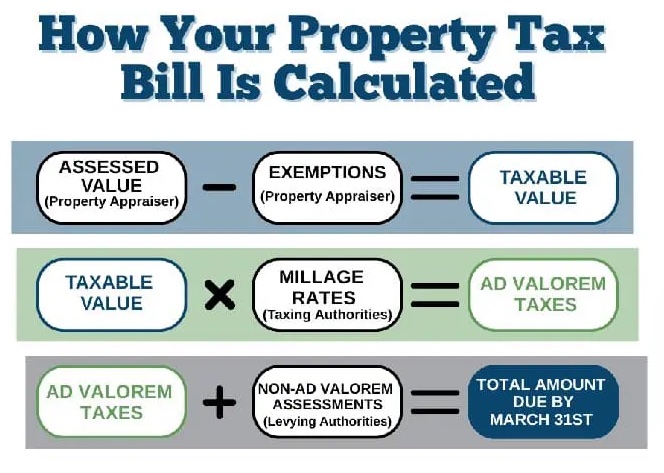
Florida offers an Ad Valorem tax exemption program designed to incentivize the restoration and preservation of historic properties. When a buyer makes qualifying improvements to a historic home, the added assessed value from those improvements can be exempted from property taxes for up to ten years.
For an investor or developer evaluating the return on a project, that is a meaningful number. It reduces carrying costs during and after renovation and makes the deal pencil differently than it would on a non-historic property. When you are marketing your home, this is something your agent should be communicating clearly to prospective buyers and their teams.
Why Morningside and Coral Gables Attract Strong Buyers
Location always matters, but in historic districts it matters even more because the neighborhood itself is part of what is being preserved. Morningside, with its tree lined streets, waterfront access, and Mediterranean Revival architecture, and Coral Gables, with its iconic canopy roads and some of Miami's most architecturally significant residential blocks, are not neighborhoods that go out of style.
Investors and developers are drawn to these areas precisely because demand is consistent, resale values hold, and a well executed restoration commands a premium that is hard to replicate in newer construction neighborhoods. When you sell a home in one of these districts, you are not just selling four walls and a roof. You are selling into a market with built in scarcity and long term appeal.
What This Means for Your Listing Strategy
Selling a historic district property is not the same as selling a standard resale home. The buyer pool is different, the conversation is different, and the marketing needs to reflect both the opportunities and the considerations that come with the designation.
Your listing needs to clearly communicate whether the property is contributing or non-contributing, what the renovation landscape looks like, and what financial incentives like the Ad Valorem program mean for a buyer's bottom line. That is not information most sellers lead with. But it is exactly what moves the right buyer to act.
Let's Talk About Your Property
I am Sofia Ghodsi, a New Development Specialist and Miami native with six years of experience working with buyers, sellers, investors, and developers across Miami-Dade and Broward County. I know Morningside and Coral Gables well, and I speak English, Spanish, and Portuguese, which matters in a market where serious capital comes from all over the world.
If your home is in a historic district and you are thinking about selling, I would love to walk through what your property is worth and how to position it for the buyers most likely to move on it.
Schedule a call, get your home's value, or reach out directly below.
Schedule a 15 minute call here: https://calendly.com/miami-realestate
Website: www.soldwithsofia.net
WhatsApp: https://wa.me/17868386386
Sofia Ghodsi